


What is retro style and why is it popular again?
By Phono Shop
The term "retro style" refers to fashion, music and aesthetics that deliberately draw on the past or re-enact bygone eras. It doesn't matter if it's the 1950s, 1960s, 1970s, 1980s or 1980s. In many cases, retro style is not necessarily purely vintage. Rather, it is a contemporary interpretation: new objects designed with classic shapes, colours, textures or visual motifs in mind.
Retro style is inherently derivative because it combines respect for the past with a new approach. In graphic design, this can mean bold vintage fonts, muted colour combinations or the layout styles of mid-20th century magazines. In fashion, it can be flared trousers, ornamental patterns and other features from decades gone by, revived with contemporary cuts.
But retro style is definitely not just imitation. It's about combining old and new elements to create a kind of time travel that feels fresh, aesthetic, familiar and emotionally impactful. This is why many contemporary designers use the term "newtro" (new + retro), combining contemporary sensibilities with vintage solutions.
Why is retro style becoming popular again?
There is a cultural and psychological meaning behind the return of retro. The main factors that are driving its revival:
1. Nostalgia and emotional resonance
Especially in fast-paced times, people often look to the past for support. Retro evokes memories, cosiness and a sense of permanence. The desire to experience tangible, analogue things rationally explains why so many people are rediscovering vinyl records, typewriters and classic design elements.
2. Sustainability, uniqueness and re-use
With the growing awareness of the damage of fast fashion and disposable culture, retro and vintage offer an alternative: reuse, recycling and reinterpretation. Wearing vintage clothes or decorating the home with retro items brings out the individuality of the wearer, as there are no mass-produced copies. It also encourages more sustainable consumption.
3. Recurrence of cycles: the 20-30 year rule
Trends in the world of fashion and culture often repeat in cycles. What was old becomes new after one generation. Younger generations, looking back to the aesthetics of their childhood or their parents, adopt and reinterpret the same styles.
4. The impact of social networks
Instagram, TikTok, Pinterest and other popular platforms have also accelerated the retro revival. Vintage filters, mood collages and aesthetic subcultures are effectively adapting retro elements for today's audiences.
5. Analogue rebellion in the digital age
In a world dominated by screens, instant messaging and digital media, retro becomes a kind of rebellion, in other words, a return to the tangible, the imperfect and conscious engagement. Listening to a vinyl record or reading a printed magazine becomes a way to slow down and enjoy the moment.
Retro style in practice: where does it manifest itself?
Retro furniture and clothes are very popular. However, it is important to know that retro style is not limited to fashion or interior design. It has found its way into almost every aspect of modern culture. From the furniture in our homes to the music we listen to, the retro influence is visible almost everywhere today.
Home and interior
Retro design has become a distinctive feature of modern interiors. Think curved furniture, warm wood tones and expressive chandeliers that capture the glamour of the 1970s or 1980s.
This style is characterised by unique colours such as avocado green, mustard yellow or, say, burnt orange. These are shades that add warmth and character to modern apartments. Many people are now combining vintage finds with minimalist elements. This helps to create spaces that look both nostalgic and contemporary.
Retro furniture, patterned wallpaper and vinyl record shelves have once again become key accents in living spaces.
Music and sound
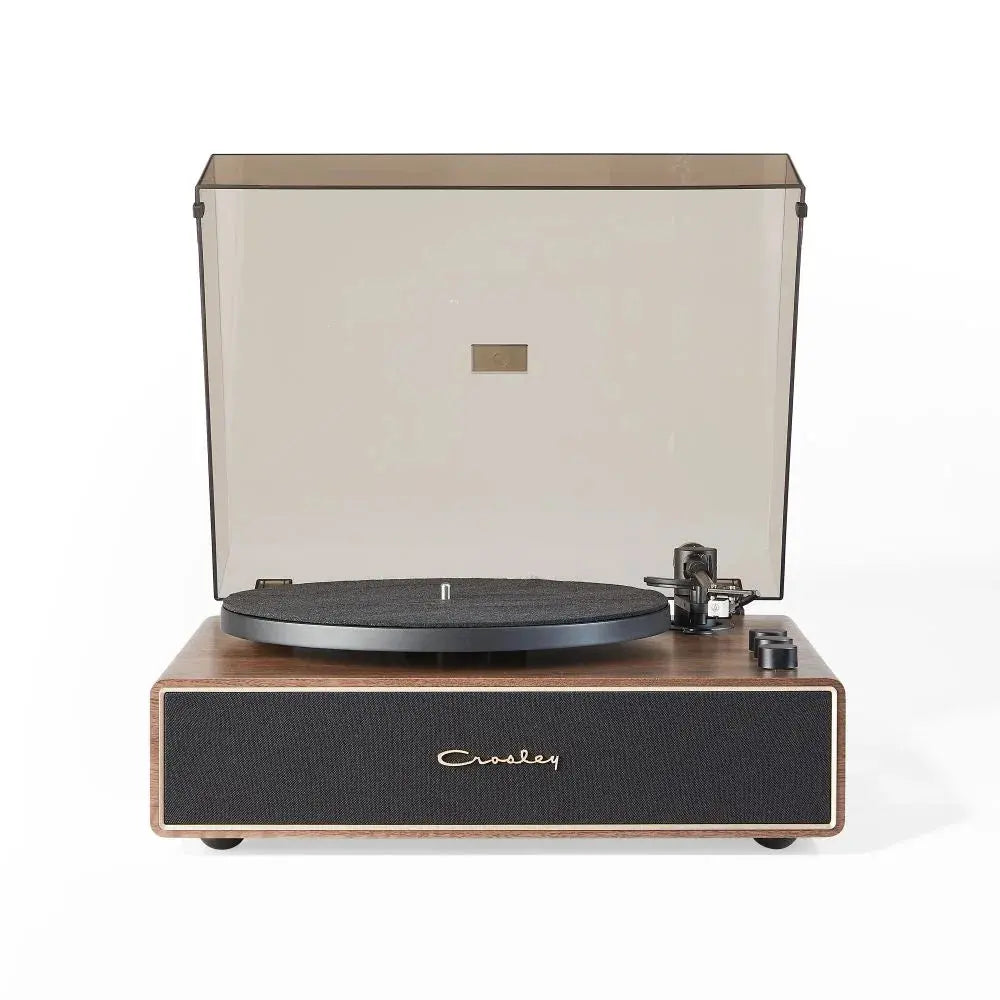
Nowhere is the retro style more alive than in sound. The vinyl revival is growing fast around the world. Younger generations are discovering analogue listening for its texture, warmth and ritualism. Record players and cassette tape recorders are making a comeback, not as exotic items, but as design accents that add a distinctive touch to the home.
Trademarks such as Audio-Technica, Pro-Ject and Crosley leads the retro movement by offering players that combine vintage aesthetics with modern features like Bluetooth connectivity. The moment when the turntable needle is lowered, the soft crackle of the vinyl is heard and the record is spun, has become a kind of silent expression of a conscious way of life.
Unique places such as Phono.shop keeps retro culture alive. In these spaces, retro fans will find turntables, vinyl records and various accessories that celebrate both craftsmanship and community. Phono.shop is not just a shop. It's a meeting place, balanced for music lovers, designers and analogue culture enthusiasts who firmly believe that sound should be felt, not just heard.
Fashion and clothing
Fashion has always been cyclical. Today's catwalk and street fashion reflects the past, but from a completely new angle. Flared jeans, wide collars, short sweaters and tracksuits reminiscent of the 1970s and 1980s are back in full swing. Designers are reinterpreting vintage fabrics and prints with sustainable fabrics and contemporary cuts.
Behind aesthetics, there is also a connection to identity and memory. Retro fashion creates a link to history. Second-hand shops and the recycling of clothes have turned nostalgia into not only an expression of style but also a form of sustainable choice.
Graphic design and branding
Retro influences are also deeply rooted in visual culture. Brands from all walks of life use vintage fonts, muted colour palettes and grainy textures reminiscent of old magazines, posters and packaging.
Designers use these nostalgic accents to create recognisability and a sense of confidence. From coffee labels reminiscent of 1960s restaurants to digital apps that use pixel art. This aesthetic bridges eras, combining the warmth of the past with the accessibility of the present.
Analogous hobbies and everyday culture
The retro mindset is changing the way people spend their leisure time. Film photography has made a comeback as a creative art form, valued for its unpredictability and depth. Magazines, typewriters and analogue clocks are back in vogue among those who value craftsmanship and patience.
Even entertainment has adopted the aesthetic of this style - from retro consoles to board games that bring back the joy of social play that the digital world so lacks. At the heart of it all is vinyl record collecting, where each album feels like a small piece of living history - tangible, imperfect and deeply human.
Tips on how to incorporate retro style into your everyday life
Many people know what retro style is, but not everyone manages to incorporate it into their everyday life. If you want to incorporate retro elements into your life, but at the same time keep a modern feel, here are some practical tips:
1. Combine different eras
Combine a 1970s chest of drawers with a modern minimalist sofa. Don't just go for vintage furniture, but try enriching the interior with a retro-style table lamp combined with contemporary decor. Layering different elements helps to keep things fresh.
2. Choose the main accents
Instead of redecorating the whole room, choose a few bright accents, such as bold wallpaper, a classic gramophone or a vintage rug. Keep the rest of the space neutral.
3. Pay attention to scale and proportions
The proportions of some past designs may seem too large or uncomfortable today. Look for retro-inspired versions adapted to modern spaces or smaller scales.
4. Use retro colour palettes sparingly
Mustard yellow, avocado green, burnt orange or a soft pastel colour, for example, help create a retro mood. However, retro colour palettes should be used sparingly to avoid an overly bright effect.
5. Combine authentic and inspiring elements
A radio with a modern design can stand next to original vintage trinkets. The most important thing is that the colour tones or materials match each other.
Phono.shop - a contemporary home for retro culture
At the heart of the retro revival is Phono.shop. It's a creative home for those who love sound, design and the analogue lifestyle.
Phono.shop in Vilnius (Aukštaičių g. 6) is not just a shop. It's a unique space where retro style and modernity blend harmoniously. Here you will find turntables, vinyl records, speakers, cameras and various accessories. In short, exclusive products designed for people who appreciate craftsmanship that defies the passage of time.
Here, the spirit of the retro revival is embodied in several different ways. What's in store for you?
- Design and emotion. Each product is valued not only for its functionality, but also for how it feels when used. From the warm texture of the wood to the satisfying click of the manual switch, Phono.shop celebrates the sensory joy of the analogue world.
- Community and creativity. Regular events, product launches and meetings make it a cultural hub for music lovers, photographers and creators.
- Modern accessibility and privileges. Members get a €10 discount on their first order over €100 and early access to new products, workshops and cultural stories.
Whether you're just getting to grips with vinyl or you're already deeply immersed in analogue culture, Phono.shop is the place where the retro lifestyle finds its modern pulse.
Last thoughts
Retro style is not an attempt to go back in time. It's a way of bringing the best features of the past into the present. It is a reminder that design, music and everyday objects can contain emotion, memory and craftsmanship. The real charm of retro lies in balance: combining eras, mixing textures and discovering beauty in imperfection.
Whether you're redecorating your home, updating your wardrobe, or getting ready to listen to your favourite record, retro invites you to slow down and engage with what's real. It's a celebration of tangibility and creativity, showing that timeless aesthetics don't chase fashion but tell stories.
References
- Wijayanto, G., & Purwoko, B. (2025). The Effects of Retro-Themed Content, Emotional Resonance, and Brand Consistency on Customer Re-Engagement. International Journal of Business, Law, and Education, 6(1), 865-875. Link.
- Yusa, I. M. M., Ardhana, I. K., Putra, I. N. D., & Pujaastawa, I. B. G. (2023). Emotional design: A review of theoretical foundations, methodologies, and applications. Journal of Aesthetics, Design, and Art Management, 3(1), 1-14. Link.